Scissor vs. boom: which geometry fits
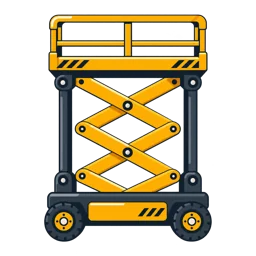
- Scissor lifts: Vertical access when the machine can sit beneath the task. Best for lighting, signage, and MEP work in controlled interiors or level pads. See /electric-scissor-lift-rental/ and /rough-terrain-scissor-lift-rental/.
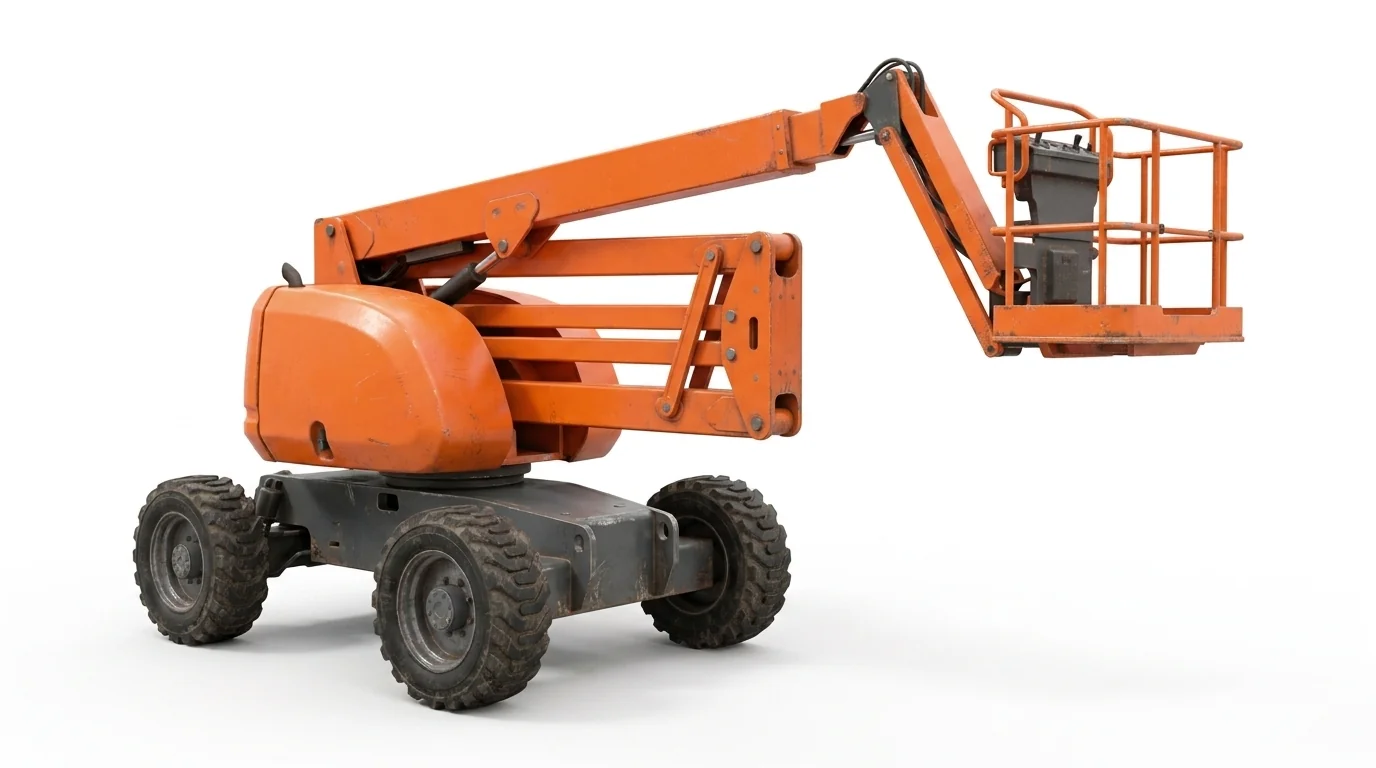
- Articulating booms: Up‑and‑over reach around conveyors, mezzanines, canopies, or façade elements. Helpful in tight exterior courts and around building corners. Learn more at /boom-lift-rental/.
- Telescopic booms: Longer straight reach to set back targets like steel, rooftop edges, or utility runs in open yards. Also covered at /boom-lift-rental/.
Local factors that change the decision
- Interior distribution buildings: Smooth floors and narrow aisles point to electric slab scissors and compact articulating booms.
- Exterior routes over red clay or gravel: Rough‑terrain scissors or booms with suitable tires and ground clearance handle uneven paths better.
- Climate and shifts: Hot, humid summers can influence battery planning and cooling clearance; long exterior shifts may favor engine‑powered units.
Access and staging constraints
- Door and gate widths often cap machine selection before platform height does.
- Floor or soil bearing paths must carry the machine’s weight along the entire travel route, not just at the work zone.
- Overhead obstructions—pipes, low beams, canopies—can force an articulating boom choice even at modest heights.
Complementary site equipment
Large facilities may coordinate forklifts for materials handling and generators for temporary power. Explore category links like /forklift-rental/ or /generators-light-towers-rental/ when planning multi‑trade work. Internal traffic patterns and shared aisles around docks also affect lift sizing and staging.
Actual site conditions and the selected unit’s instructions govern elevated work. Confirm measurements and bearing paths before finalizing a class.