Start with the geometry: clearance, set-back, and reach
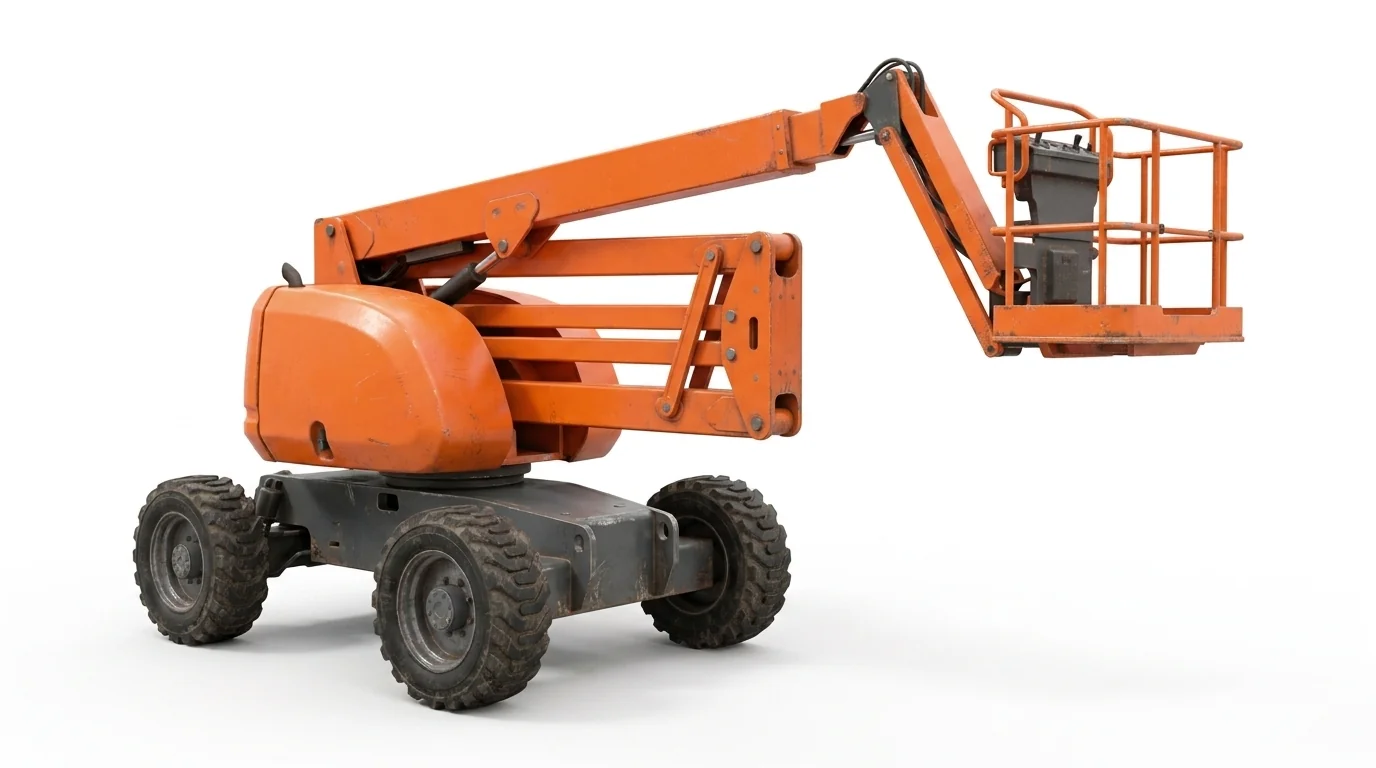
- Horizontal set-back: Measure from the machine’s likely pad location to the work face. Articulating sections bridge around corners where straight booms need a clear line.
- Vertical approach: Note the lowest overhead restriction at entry points and inside work aisles. Jib articulation helps under sprinkler mains or low trusses before rising to final height.
- Platform load: Add people, tools, and materials. Heavier loads can limit maximum outreach.
Charlotte site factors that change the pick
The Piedmont’s red clay and rolling grades can stay slick after rain. For exterior work at industrial infill sites, rough‑terrain packages with lug tires and higher ground clearance reduce sink risk versus slab units. Indoors at local distribution buildings, non‑marking tires and electric power cut emissions and noise around active operations.
Power and duty cycle in the regional climate
Hot, humid summers in Charlotte can stress batteries during long shifts. If most of the duty is indoor with frequent repositioning, consider electric models with sufficient amp‑hour capacity and accessible charging. Mixed indoor/outdoor days, or extended exterior tasks, often point to hybrid or diesel options to maintain function across temperature swings.
Measurements that narrow the choice
- Working height target and needed up‑and‑over reach
- Minimum doorway width/height and aisle turning radius
- Slope at setup area and soil firmness after precipitation
- Platform capacity for crew count and materials
Common fit in local facilities
- Interior maintenance above conveyors or pick modules: compact electric articulating models with jib and non‑marking tires. Pair with a vertical mast lift for tight, single‑person tasks.
- Exterior façade and MEP around plant yards: rough‑terrain articulating units that can stage off paved edges and bridge over landscaping or piping. Compare against a telescopic boom if the line of sight is open.
Related categories
- Overview options: Aerial lifts and boom lifts
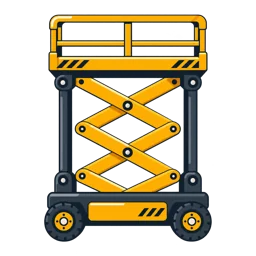
- Flat indoor slab tasks: Electric scissor lifts
- Uneven ground slab work: Rough‑terrain scissor lifts
Planning recap
Sketch the obstacle, mark the set‑back distance, confirm entry clearances, and note ground firmness. Those four items typically decide between compact electric articulation and larger rough‑terrain models in Charlotte’s mixed indoor‑outdoor jobs.