Site power planning in Charlotte conditions
Start with what must run continuously and what can cycle. Hot, humid summers in Charlotte raise cooling loads and can reduce battery performance on standalone tools, which often shifts more tasks to line power. Long cable runs in large warehouses add voltage drop; measure feeder distance and allowable loss before sizing.
- Identify the peak and continuous amperage of tools, HVAC supplements, and temporary office needs.
- Note starting surges for motors, compressors, and pumps used during slab work or dock maintenance.
- Confirm ventilation and exhaust paths if the generator sits near loading docks or under canopies.
Access route and placement
Many jobs here straddle finished slabs, compacted red clay, and parking lots. The same route can be smooth, then soft after a storm. That matters for towable frames and mast stability.
- Can the machine sit below the task, or must it feed up through mezzanines? Cable routing around racking and conveyors can dictate placement.
- Check turning space at dock aprons and gate clearances at industrial infill sites.
- For outdoor placement on rolling terrain, plan a level pad or cribbing per the selected unit’s instructions and site procedures.
Light coverage and mast considerations
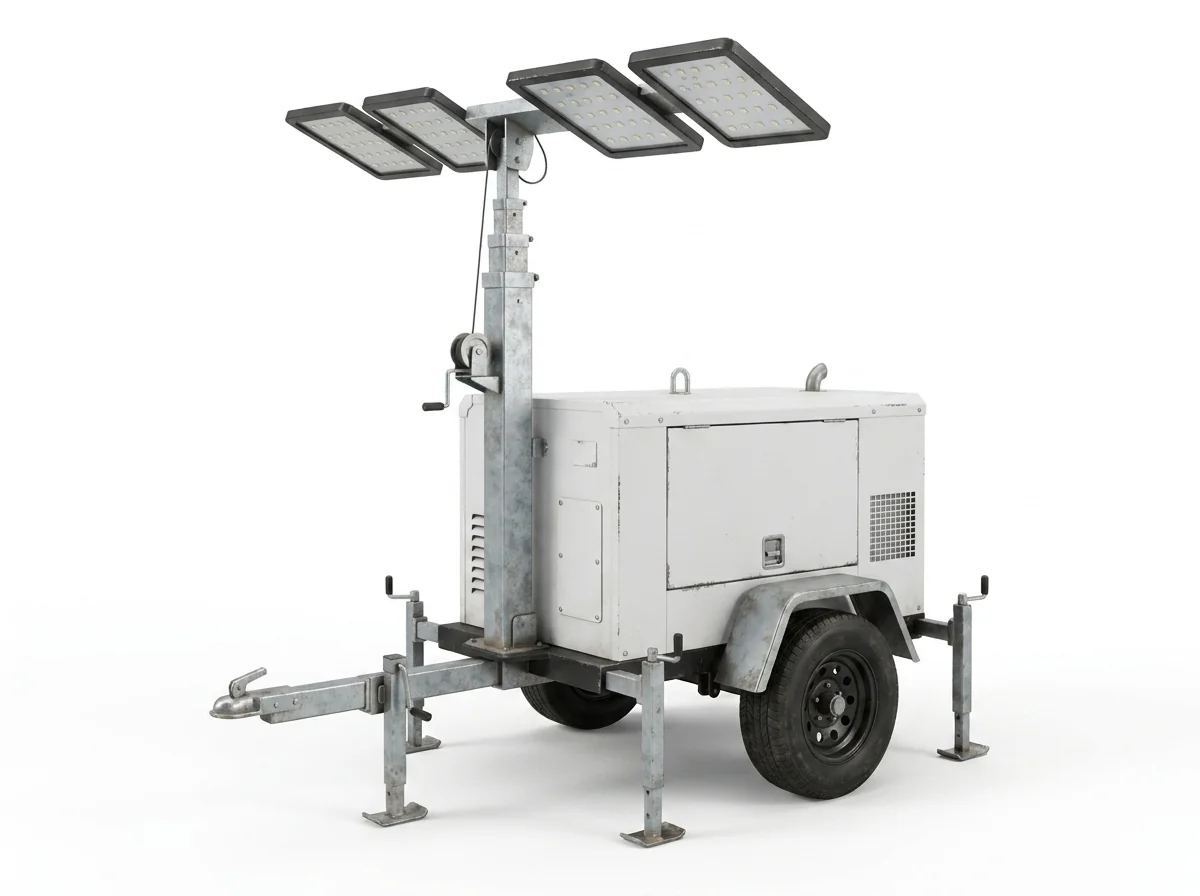
Night work near the airport corridor and along active logistics yards demands wide, glare-managed coverage without spilling into adjacent traffic flows.
- Define the lit work zone in square footage and mounting height. High-clearance yards and tall dock doors can produce shadows unless mast height and aiming are matched to the geometry.
- Assess background light from facilities; fewer towers may be needed if ambient light is consistent.
- Wind exposure on open pads changes mast selection; actual conditions, the selected unit’s instructions, and site procedures govern setup.
Fueling, runtime, and noise
Extended shifts in 24-hour logistics operations favor larger tanks or parallel sets. Note local noise sensitivity near mixed commercial-residential edges.
- Log expected runtime between service windows.
- Confirm safe fueling access for service vehicles along the chosen route.
Related lift access
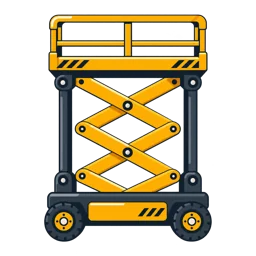
If lighting supports elevated repairs or sign work, pair planning with the right access platform:
- Smooth interior floors: see /electric-scissor-lift-rental/
- Uneven exterior surfaces: see /rough-terrain-scissor-lift-rental/
- High-reach fixtures: see /boom-lift-rental/
Next steps
Have your load list, run distances, pad conditions, and lighting map ready when you call (704) 255-6957 or review categories at /products/.