Define the task and path
- Load weight, dimensions, and center of gravity
- Maximum lift height at racking or mezzanine edges
- Travel distance and aisle width from dock to storage
- Entry constraints at doors and trailers
Surface and tire selection for local conditions
- Indoor slab: Cushion tires and electric or LP power minimize emissions and turning radius in busy aisles.
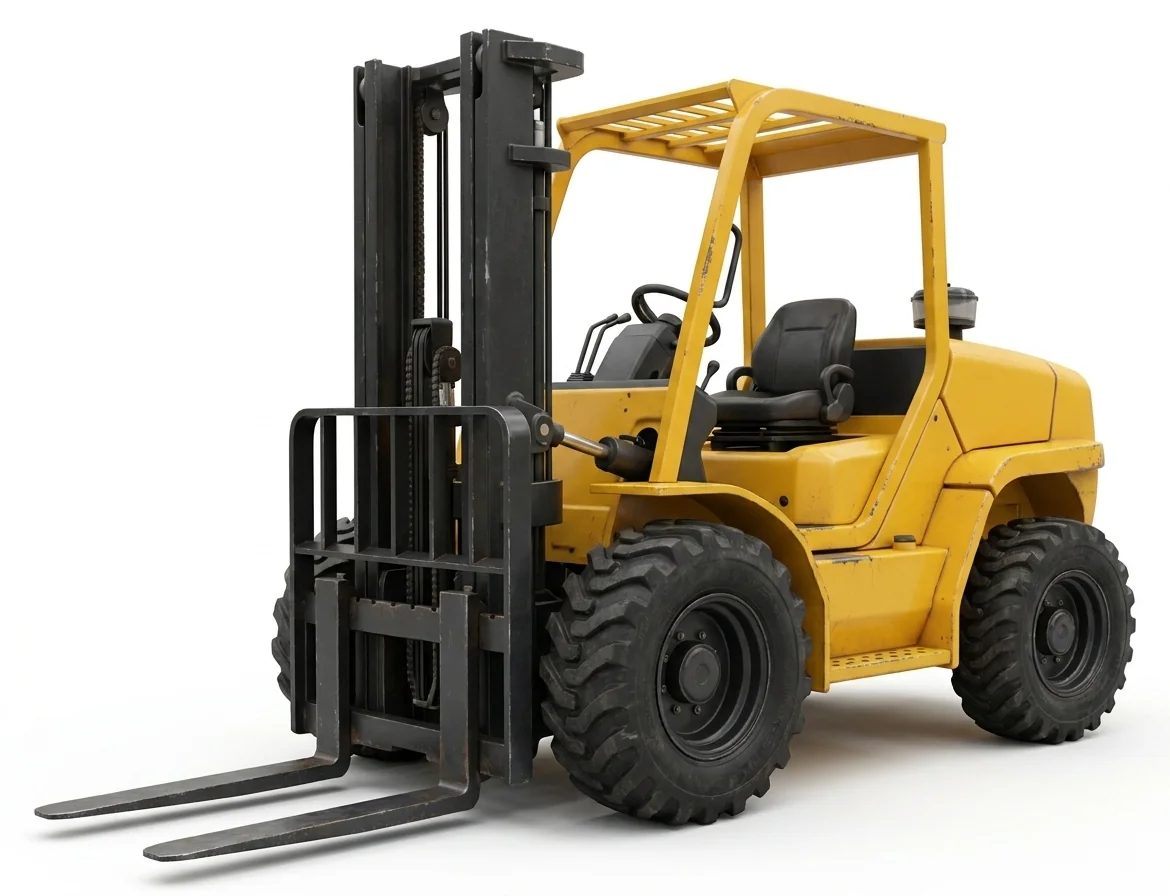
- Mixed indoor/outdoor or yard work: Pneumatic tires handle thresholds, gravel, and occasional clay. After rain, exterior pads can soften; confirm firmness before routing heavier loads.
Height and visibility
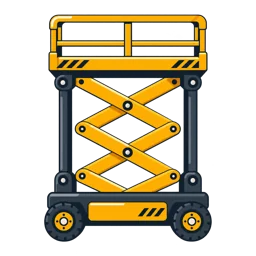
Mast stages and collapsed height determine trailer clearance and mezzanine work. For very tight pick locations or single‑person overhead tasks, consider a vertical mast lift for access and keep the forklift for ground handling.
When another machine fits better
- Need to place loads over obstacles or onto upper levels set back from the pad? A telehandler provides reach beyond a forklift’s vertical lift.
- Overhead work requiring personnel positioning is better suited to aerial lifts.
Charlotte-specific notes
Busy industrial corridors often mean shared aisles with conveyors and seasonal heat. Extended summer shifts can influence battery runtime for electrics; confirm charging access near docks if the duty cycle is heavy.
Planning recap
Match capacity and mast to the top rack point, check aisle width and door heights, and verify whether the route stays on slab or crosses outdoor sections that may be uneven in Charlotte’s soil conditions.