Articulating vs. telescopic booms
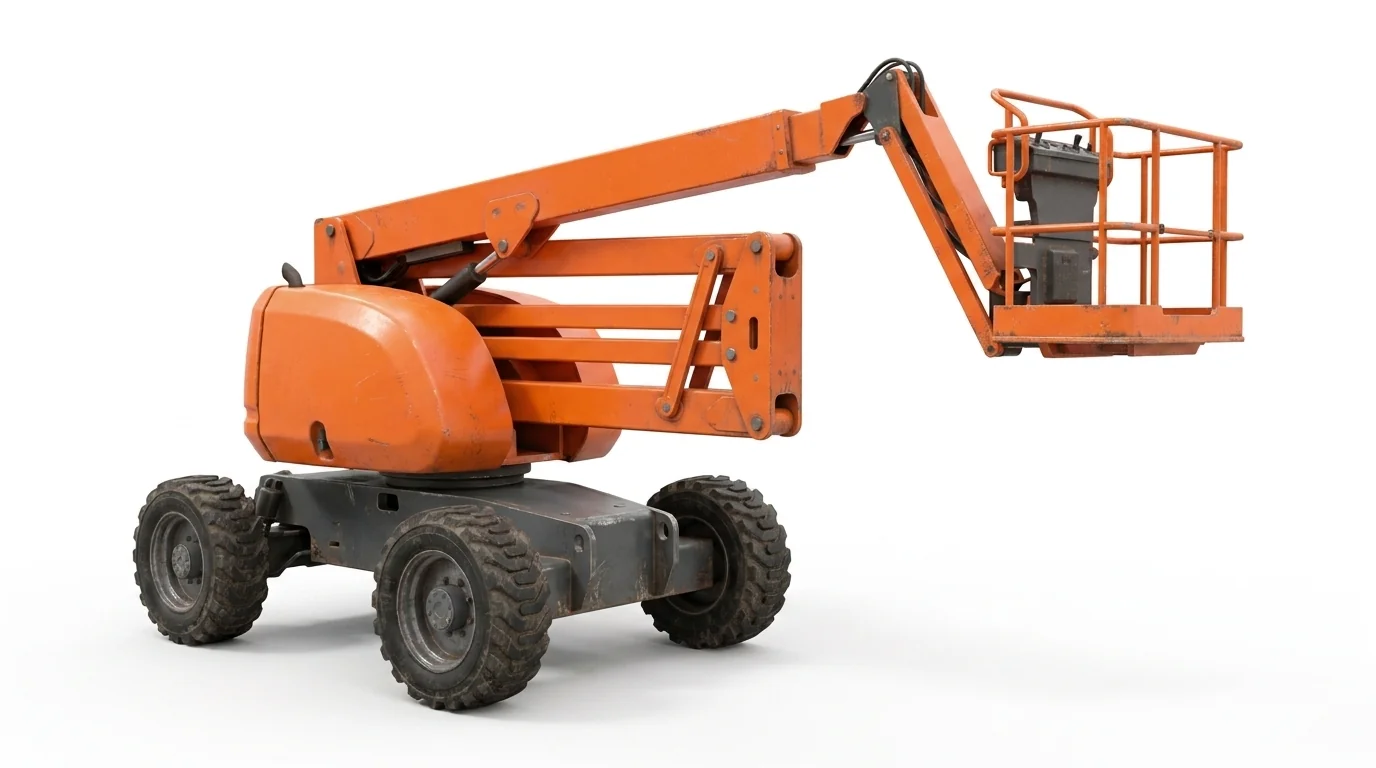
- Articulating booms: Multiple joints navigate up‑and‑over paths—useful near loading yards, mechanical yards, and building corners where obstacles block a straight approach.
- Telescopic booms: Extend in a straight line for longer horizontal reach to targets like roof edges, signage, or steel in open laydown areas.
Local terrain and access
Charlotte’s rolling terrain and red clay can leave exterior approaches uneven or slick, especially after rain. Rough‑terrain capabilities and suitable tires matter when traveling from staging to the work face. For interior segments or tight aisles, smaller electric lifts or scissors at /aerial-lift-rental/ may be a better fit.
Height, outreach, and positioning
- Confirm the required platform height and horizontal reach to the target edge, not just the building height.
- Identify the closest safe parking point for the boom; setbacks from landscaping, curbs, or utilities may demand more outreach.
- Swing radius and tail clearance determine whether the machine can turn within courtyards or between obstacles.
Power source and work environment
- Electric and hybrid booms support low‑emission zones and partial indoor work.
- Engine units sustain long exterior shifts where charging access is limited.
When a scissor lift is better
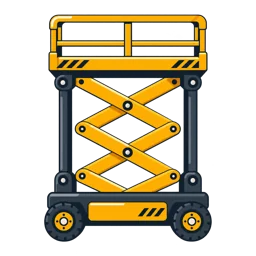
If the machine can sit directly below the task and the path is smooth and tight, a scissor lift may be more compact and faster to stage. Compare /electric-scissor-lift-rental/ and /rough-terrain-scissor-lift-rental/ for vertical‑only work.
Exterior and elevated tasks depend on site conditions, unit documentation, and procedures. Measure gates, verify bearing paths, and note overhead conflicts before selecting a class.