Define the reach profile
- Set‑back distance: Measure from the likely machine pad to the work point. Straight booms excel when you can stage farther away and still maintain capacity.
- Target elevation: Confirm working height and required horizontal outreach at that height.
- Entry route: Check gate width, overhead lines, and turning radius from access roads into the pad.
Charlotte surface and weather considerations
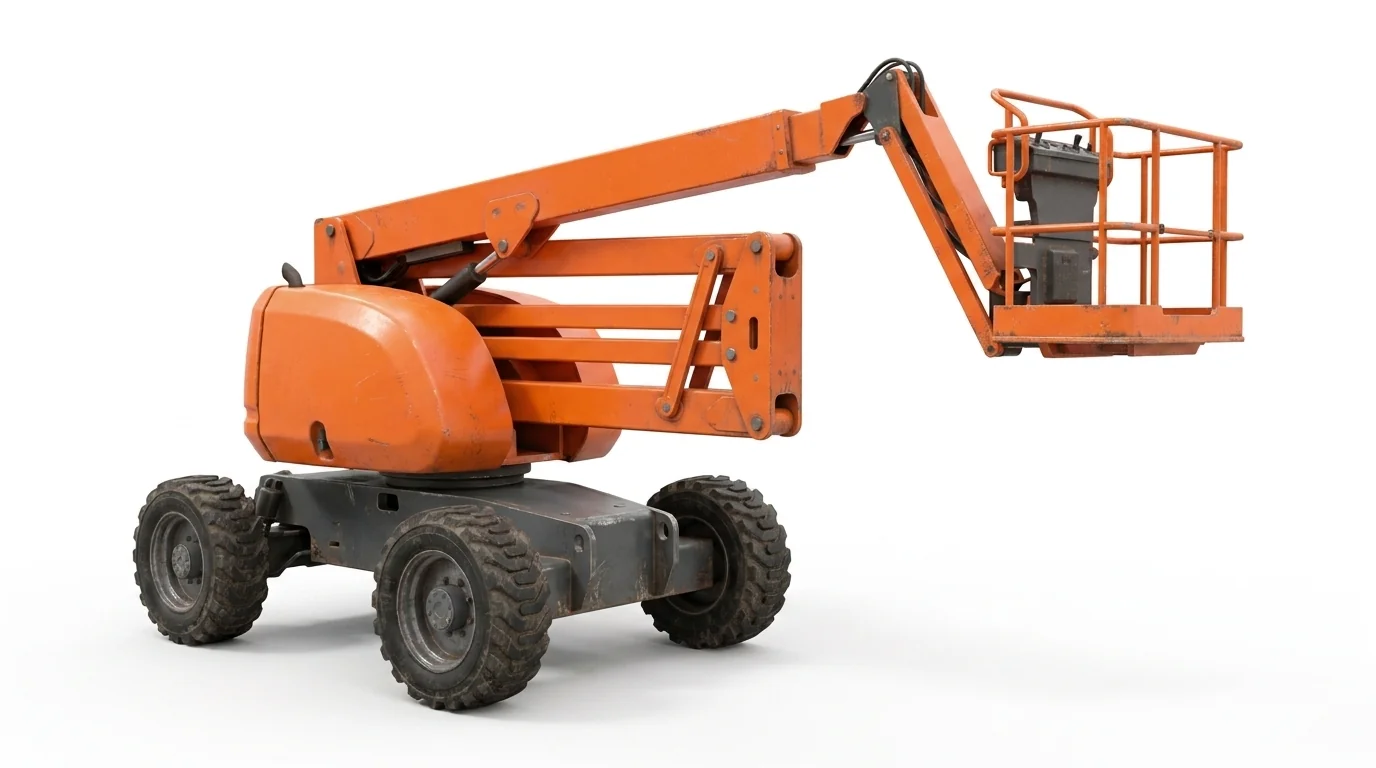
Rolling grades and red clay can stay soft after storms. For exterior reach at industrial sites, rough‑terrain models with larger tires and higher ground clearance are common. On stable concrete near distribution buildings, slab‑oriented tires can be appropriate. Summer heat across open yards may influence engine cooling and hydraulic temperatures during long idles; plan duty cycles accordingly.
When a telescopic boom fits best
- Open façades, stacks, and signage where a direct line to the task exists
- Work requiring maximum horizontal outreach relative to height
- Tasks where platform positioning changes are infrequent but travel distance to the pad is longer
If the task sits behind parapets, conveyors, or canopy edges, compare against an articulating boom for up‑and‑over geometry.
Measurements that narrow the model
- Maximum outreach at target height
- Allowed pad size and outrigger footprint, if applicable
- Site grade and soil firmness where the machine will rest
- Platform capacity for tools and materials
Related categories
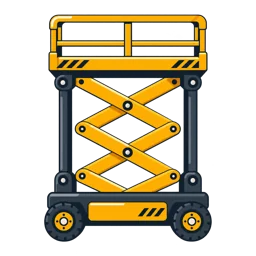
- For indoor slab work at height: Electric scissor lifts
- For uneven slab access without long outreach: Rough‑terrain scissor lifts
- Broader overview: Boom lifts and Aerial lifts
Planning recap
Confirm that the line of sight is clear, verify set‑back room, and assess soil or pavement strength at the pad. Those factors determine if a straight boom can operate effectively on Charlotte’s large exterior work areas.